
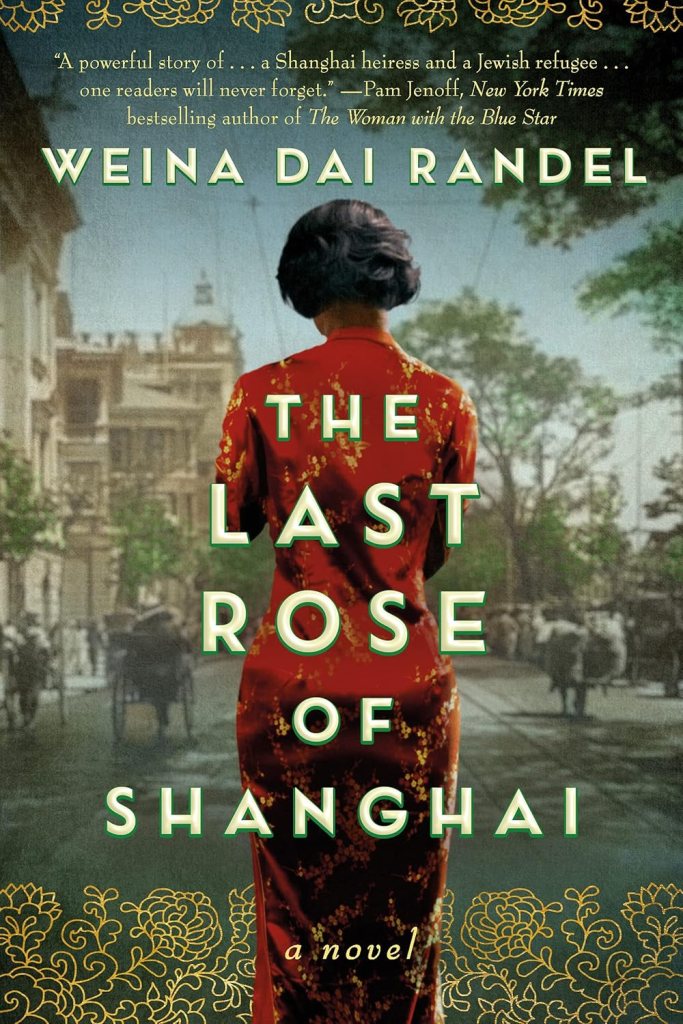
I purchased The Last Rose of Shanghai in 2021 and just now got around to reading it. A historical fiction set in 1940’s Shanghai, the books is basically a love affair between Aiyi, a local Chinese woman, and Ernest, a Jewish refugee to Shanghai. Shanghai is experiencing a political overhaul and while not clear, the book references Shanghai being occupied by France, Britain, the United States and belonging to China. I don’t know anything about 1940’s Shanghai and it would have been nice to have a better historical perspective included in the book.
The good: I read a lot of WWII historical fiction and have never come across anything about Jewish refugees being sent to Shanghai. That was a really interesting piece of history that has been missing in my reading. There’s a lot more that I’d like to learn about on this topic and I’m looking forward to reading more books with similar premise.
The ok: This book was really a 3 star book. The writing is ok, but it’s not gripping or compelling. The characters were poorly developed and very flat. Despite multiple opportunities for the author to really dig deep and grow her characters, they remained the same flat teenagers as in the beginning of the book.
The story has good bones, but the entire novel lacked focus. Was it a mild romance? Or historical fiction? A novel about a very serious and underdiscussed topic? A commentary on 1940’s Shanghai’s treatment of women? By trying to do so many things at once, it did none of them well.
None of the characters were likeable and I spent most of the book asking “why the f*ck would you do that?” It felt like the main characters lacked any common sense or self preservation. Over and over again, they flung themselves recklessly into danger that could have been avoided with just a little forethought. The characters were so young and the selfish recklessness of youth really took over the book which was a harsh juxtaposition against the very serious themes of a WWII novel. The romance scenes always felt thrown in to the book as an extra and did nothing to propel the story along. Without the superfluous romance scenes, the book could have read easily as a YA novel rather than an adult novel that didn’t know it’s main focus.
If you need a quick read that introduces Shanghai during WWII, this was an ok read. If you’re looking for a book to lose yourself in, skip this one and find something else.

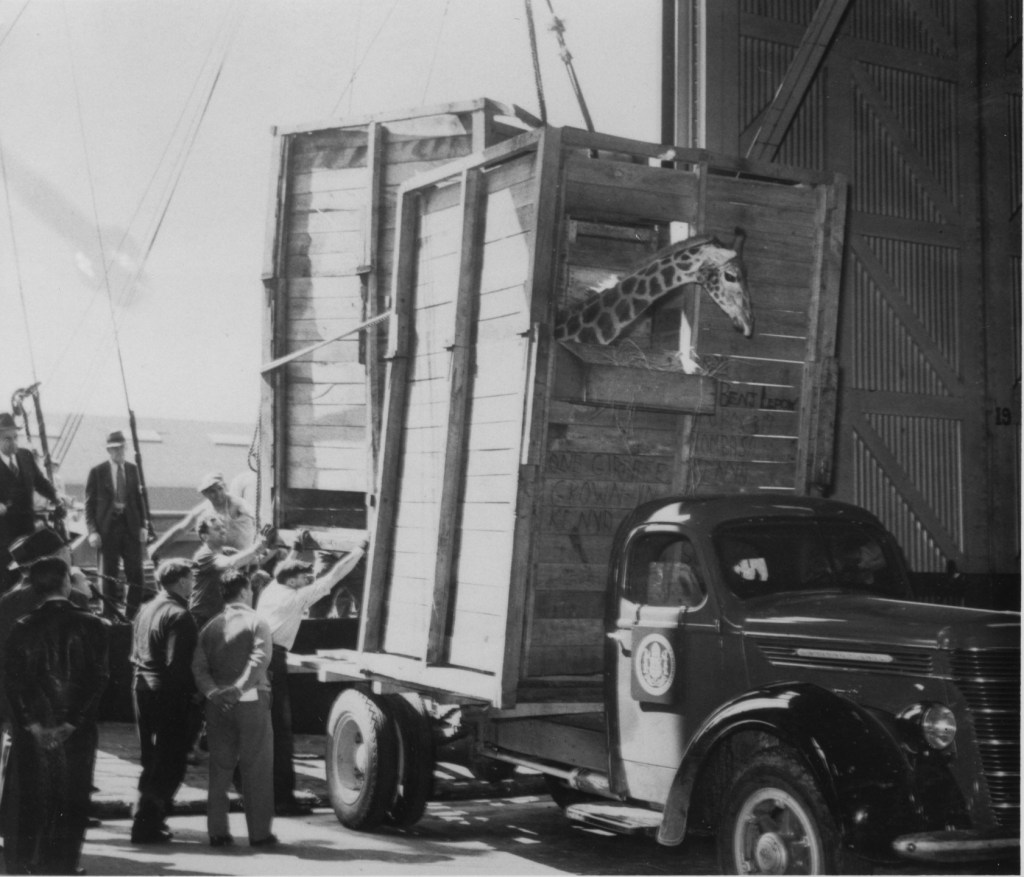

 Some books are just fun to read. The Beantown Girls is one of those books.
 Wingate chose to tell the story through three separate characters, swapping narrators with each chapter to advance the story a bit at a time. While this technique has been super popular lately, Wingate just didn’t nail the character development, story unraveling, or developing an equal emotional response to the narrators in the way Small Great Things, Gone Girl or Girl on the Train did. With those novels, each of the narrating characters was equally written and developed. It was easy to find yourself immersed completely in the thoughts and worlds of each of the narrating characters. As mentioned in my
 We tend to think of materialism and a desire to hold on to and collect physical objects as a modern day enigma, one born of mass production and fast fashion. Imagine my surprise when this theme popped up unexpectedly in the strangest of places, the final chapters of The Little House on the Prairie.
 Hops & Lit